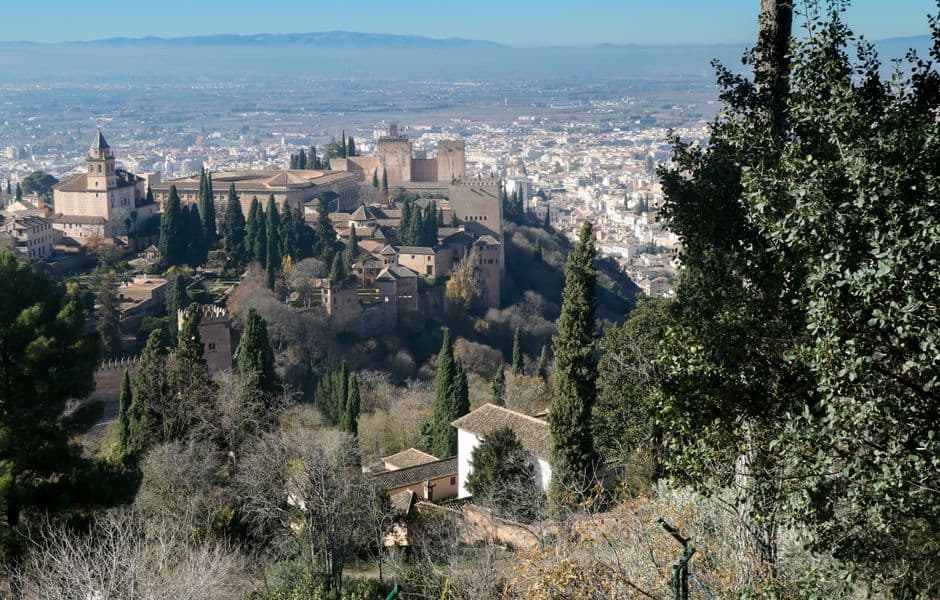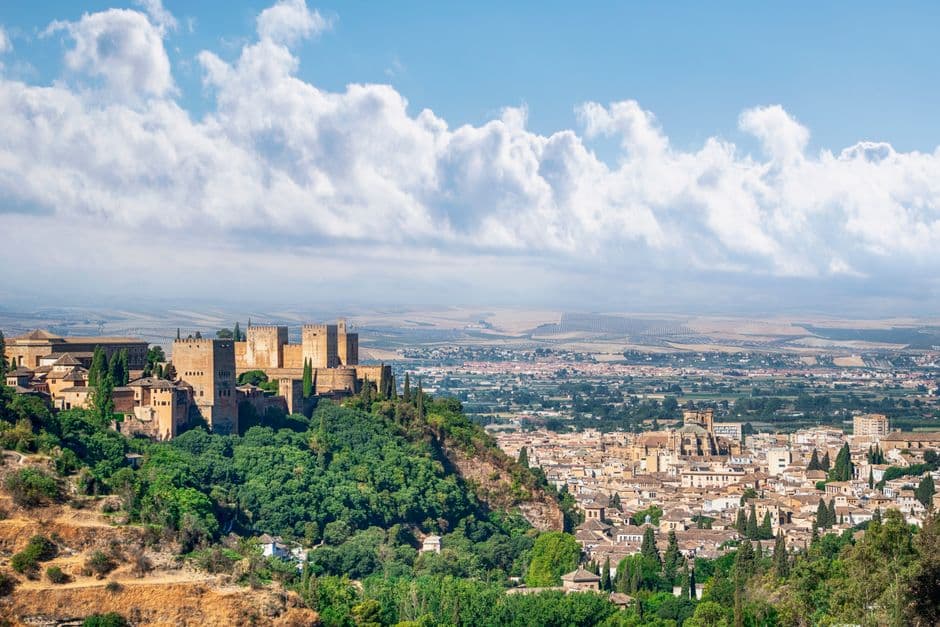
If you remember just one thing about timing a trip to Granada, make it this: aim for spring (April to June) or autumn (September to October). In those months the weather is warm without being punishing, the queues at the Alhambra stay manageable, and the city's plazas feel lively rather than overrun. The days are long and bright, the evenings cool enough for a wander through the Albaicín, and the conditions suit Granada's two great pastimes: walking, and lingering over tapas.
That said, every season here has something going for it, and the "best" time really depends on what you want from the trip. After hot beach weather and don't mind crowds? Summer delivers. Hoping to ski in the morning and tour Moorish palaces in the afternoon? Come in winter. What follows is an honest, month-by-month breakdown so you can match the city to your kind of trip.
Spring (April-June)
Spring is when most people fall for Granada. April averages daytime highs near 20°C with cool nights around 7-8°C, and by May the highs climb to roughly 24-25°C. That's warm enough for shirtsleeves but mild enough to walk all day. The Generalife gardens are in bloom, the Sierra Nevada often still wears a cap of snow, and the light is gorgeous for photos.
Crowds grow through spring but rarely feel oppressive outside of Holy Week. This is also one of the most festive stretches of the calendar (more on that below), so the city has real energy to it. For a first visit, it's hard to do better than late April to late May. Sort out how you'll get around before you arrive: here's our guide to getting from Granada Airport to the city so you can hit the ground running.
Summer (July-August): hot, dry, and busy
Granada summers are genuinely hot. July and August average highs around 33-34°C, the thermometer regularly pushes past 36°C, and the hottest days reach 40°C (the all-time record sits at 43°C). At least the heat is dry and predictable. July is the driest month of the year, with barely any rain.
This is peak tourist season, which means higher prices and fuller attractions. The trick is to follow the local rhythm. Start sightseeing early, retreat indoors or to a shady café through the fierce midday hours, then head back out as the city cools in the evening. Summer's real reward is the cultural calendar, anchored by the International Festival of Music and Dance. And if you're travelling with a group or want to escape into the cooler mountains, the route from Granada Airport to Sierra Nevada opens up higher, fresher altitudes.
Autumn (September-October)
Autumn mirrors spring almost note for note. September starts warm and slowly eases off; by October the highs settle around a comfortable 22°C, with crisp evenings near 9-11°C. The summer crowds thin out, the harvest brings excellent food to the tables, and the soft autumn light makes the Alhambra and the Albaicín look their best.
Rain becomes a little more likely as the season wears on, and November is actually the wettest month of the year, but September and October stay largely dry and stable. For mild weather with room to breathe at the major sights, many regulars rate mid-September to mid-October as the best window of the whole year. If you're arriving late or leaving early, it's worth knowing where to stay near Granada Airport for a stress-free first or last night.
Winter (December-February): cold city, snowy mountains
Winter tends to get overlooked, which is a shame. The city is cold by Spanish standards, with January highs around 12-13°C, lows near freezing, and the coldest nights dropping below zero. But it's also the cheapest and least crowded time to come. You'll have the monuments closer to yourself, and the Alhambra under a clear winter sky is something special.
The real draw, though, is the Sierra Nevada ski resort. Europe's southernmost ski area sits just about an hour from the centre, and the season usually runs from late November or December into April. That proximity makes one of Granada's best winter tricks possible: ski in the morning, then warm up over tapas in the city by evening. Pack layers, and check the weather before you head up the mountain.
Festivals & events by season
Granada's calendar is one of the strongest reasons to time your trip deliberately. The headline dates:
- Semana Santa (Holy Week), spring: Granada's processions are dramatic and atmospheric, blending its Moorish and Christian heritage. In 2026 Holy Week runs from Palm Sunday (29 March) to Easter Sunday (5 April). Expect packed streets, a charged mood, and far higher demand for hotels and Alhambra tickets.
- Día de la Cruz (Day of the Cross), 3 May: Squares, patios and balconies across the city fill with crosses decked in flowers, alongside dancing and street celebrations. One of the most photogenic days of the year.
- Corpus Christi, late May/June: Granada's biggest fair, with religious processions, bullfights, music and a fairground. In 2026 the festivities run roughly 30 May to 6 June.
- International Festival of Music and Dance, June/July: Classical music, flamenco and dance staged in spectacular venues including the Palace of Charles V and the Generalife. The 2026 edition runs 11 June to 12 July.
- Sierra Nevada ski season, roughly December to April: For 2025/26 the resort opened on 29 November 2025 with a scheduled close of 26 April 2026, conditions permitting.
When to book the Alhambra
Whatever season you choose, the Alhambra deserves planning. Tickets are released up to three months in advance on the official website. In peak periods, namely summer, Easter week, and Spanish public holidays, popular dates and the coveted morning slots for the Nasrid Palaces sell out weeks ahead. So the single most useful piece of advice for any Granada trip is to book your Alhambra tickets the moment your date opens, rather than leaving it to chance on arrival.
Timing within the day matters too. In the hot months, an early-morning or late-afternoon slot is far more comfortable than facing the Generalife gardens under the midday sun. If your chosen date shows as sold out, keep checking, because cancelled tickets occasionally return to the system. And if you find yourself with a few spare hours between flights, see what to do on a Granada layover to make the most of even a short stop.
| Season | Weather | Crowds | Best for |
|---|---|---|---|
| Spring (Apr-Jun) | Mild, blooming; highs ~20-25°C, cool nights | Moderate, rising; busy at Easter | First visits, festivals, all-day walking |
| Summer (Jul-Aug) | Hot & dry; highs ~33-34°C, can top 40°C | Peak, fullest and priciest | Long evenings, music festival, heat-lovers |
| Autumn (Sep-Oct) | Warm easing to crisp; Oct highs ~22°C | Thinning after summer; calm by October | Best value-for-comfort, photography, food |
| Winter (Dec-Feb) | Cold; highs ~12-13°C, lows near freezing | Lowest of the year | Skiing, low prices, crowd-free monuments |
This is an independent airport guide, not affiliated with the official airport. Weather and dates are approximate (June 2026), check before you travel.