By Granada Airport Guide Editorial Team, Granada Travel Editor · Updated July 2026
Quick answer: Granada is Spain's free-tapa capital: order a drink, usually €2.50 to €3.50, and a plate of food arrives with it at no extra cost. The trick is to crawl from bar to bar rather than sit in one place, because each round brings a new tapa. The best hunting grounds are Calle Navas, the Realejo quarter and the Albaicín; skip the tourist terraces on Gran Vía. Come hungry, order two or three drinks across a few bars, and you have dinner.
In most of Spain a tapa costs money. In Granada it is still free with your drink, a tradition the city has kept alive, and it turns eating out into a bar crawl where you graze as you go. Here is how it works, where to go, and what to order.
At a glance: where to go
| Area | What it is like | Good for |
|---|---|---|
| Calle Navas | The classic tapas street, busy and central | First-timers, a lively crawl |
| Realejo | Old Jewish quarter, more local, generous tapas | Better food, fewer tourists |
| Albaicín & Plaza Nueva | Historic lanes with Alhambra views | Atmosphere, sunset drinks |
| Campo del Príncipe | Square full of terraces in the Realejo | Sitting out on a warm evening |
How the free tapa works
Order a drink at the bar, a beer (a caña), a glass of wine or a soft drink, and the bartender brings a tapa with it. Order a second round and a different, often larger, tapa follows. Some bars let you choose from a list, others simply bring the kitchen's choice. The unwritten rules are simple: the tapa is free, so do not expect to order it separately, tip a few coins if you liked it, and move on to the next bar after a drink or two to keep the variety coming.
The best areas for a tapas crawl
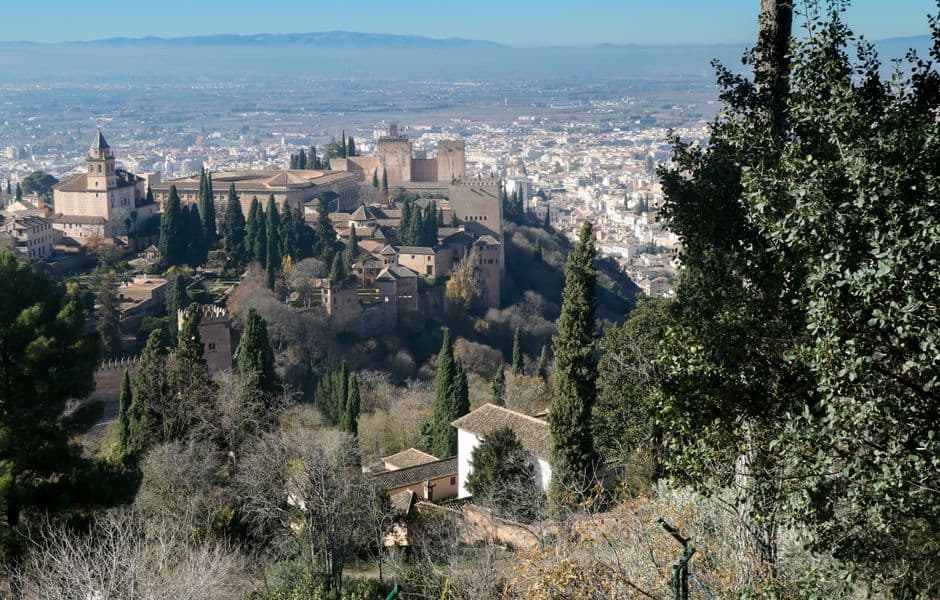
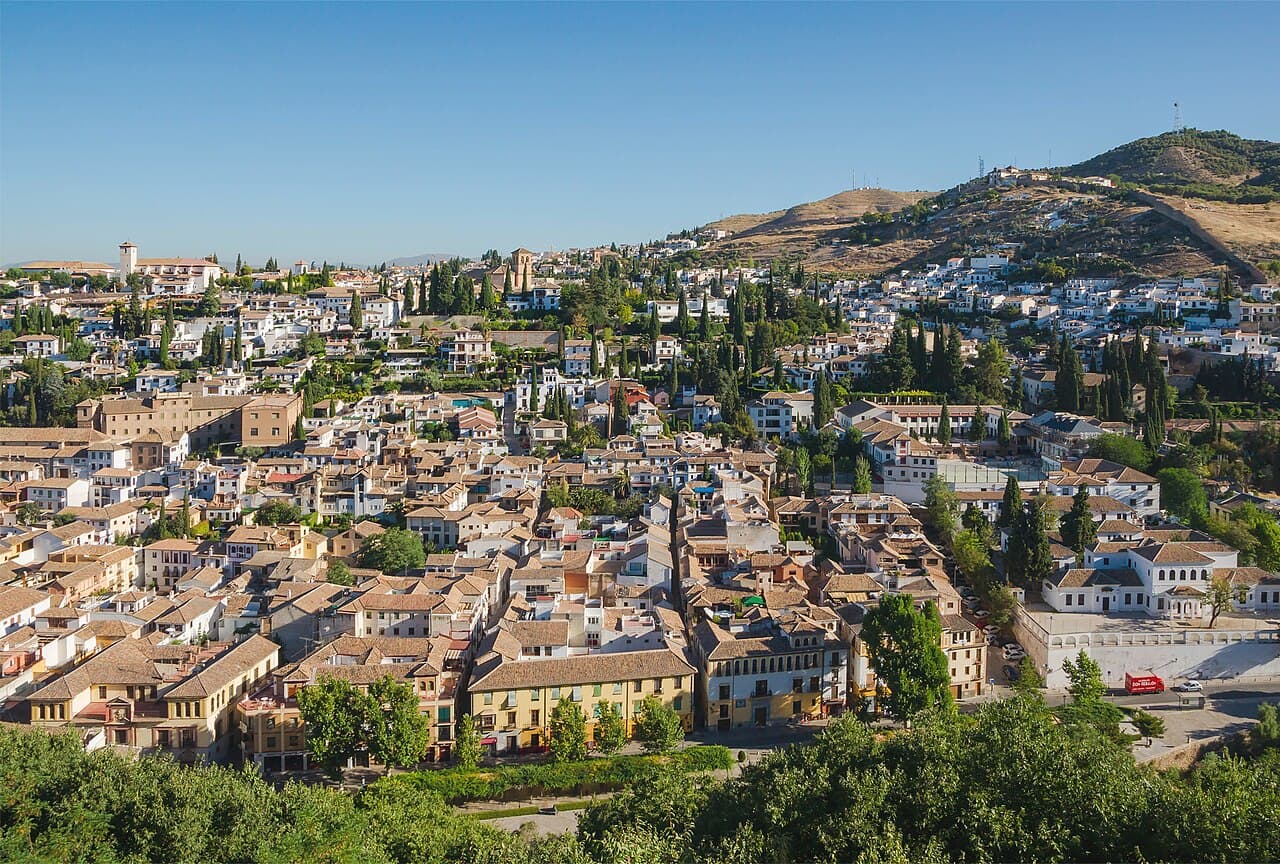
Calle Navas is the obvious starting point, a pedestrian street lined end to end with tapas bars; it is busy and central, ideal for a first night. For better food and a more local crowd, walk up into the Realejo, the old Jewish quarter, where the tapas tend to be more generous. The Albaicín and Plaza Nueva add history and, from the higher bars and the Mirador de San Nicolás, views across to the Alhambra. Avoid the terraces along Gran Vía and the most obvious tourist spots, where the free-tapa spirit is weakest.
What to eat
Look out for Granada specialities as your tapas: habas con jamón (broad beans with cured ham), tortilla del Sacromonte, remojón granadino (an orange, cod and olive salad) and, the local favourite, berenjenas con miel, fried aubergine drizzled with cane molasses. Finish with a piononos, the little rum-soaked sweet from nearby Santa Fe.
Practical tips
Granadinos eat late: lunch tapas from about 1.30 pm, evening tapas from 8.30 pm onwards. Carry some cash, as a few of the older bars still prefer it. Pace yourself with the drinks, since the tapas add up fast, and do not try to cram it all into one bar; the whole point of Granada is to keep moving and let dinner come to you, plate by plate.